Skip to content
First evidence pilot in preparation in Cameroon - co-design partners welcome.Open pilot
SOURCES.AFRICA
SovereignIntegratedEvidence-led

Cameroon hub - multi-country network in preparation

Local energy infrastructure for cleaner air and healthier communities.

Sources.Africa transforms organic waste into clean cooking gas, fertilizer and reliable power, while measuring smoke exposure and connecting vulnerable households to local health actors.

Reduce smoke at the source - sense air quality - support community health action.

Technology available; first Sources.Africa deployments in preparation
Claims labelled: technology / deployment stage / future module
Continental hub model - Cameroon entity ready; other branches planned

Origin

Deployments in preparation

Born in Foumban

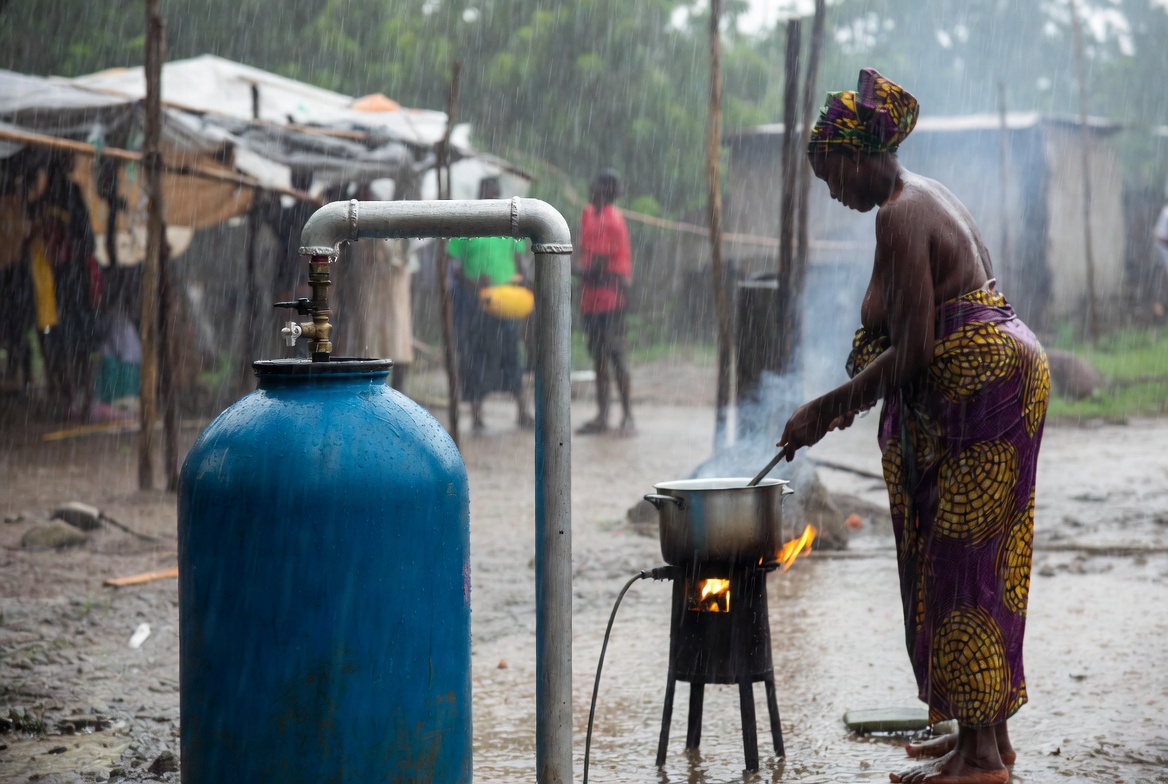
One night in Foumban, Cameroon, a power cut and surrounding wood-and-charcoal smoke made the link between energy, air and health impossible to ignore. Sources.Africa grew from that lived experience - not as a medical device, but as infrastructure that reduces exposure and supports community resilience.

Read the founding story ?

Why we exist

« A mission-driven African infrastructure venture using commercial discipline and public-interest partnerships so communities can own and operate systems locally. »

Sources.Africa is building a continental hub: Cameroon is the legal and field anchor; national branches are planned for Niger, Burkina Faso, Mali, Congo, DRC, Guinea and further countries. We do not claim stations are already running - we prepare first deployments carefully.

One system. Three linked actions.

Infrastructure remains the engine. The climate-health layer makes risk visible and actionable.

1

Reduce

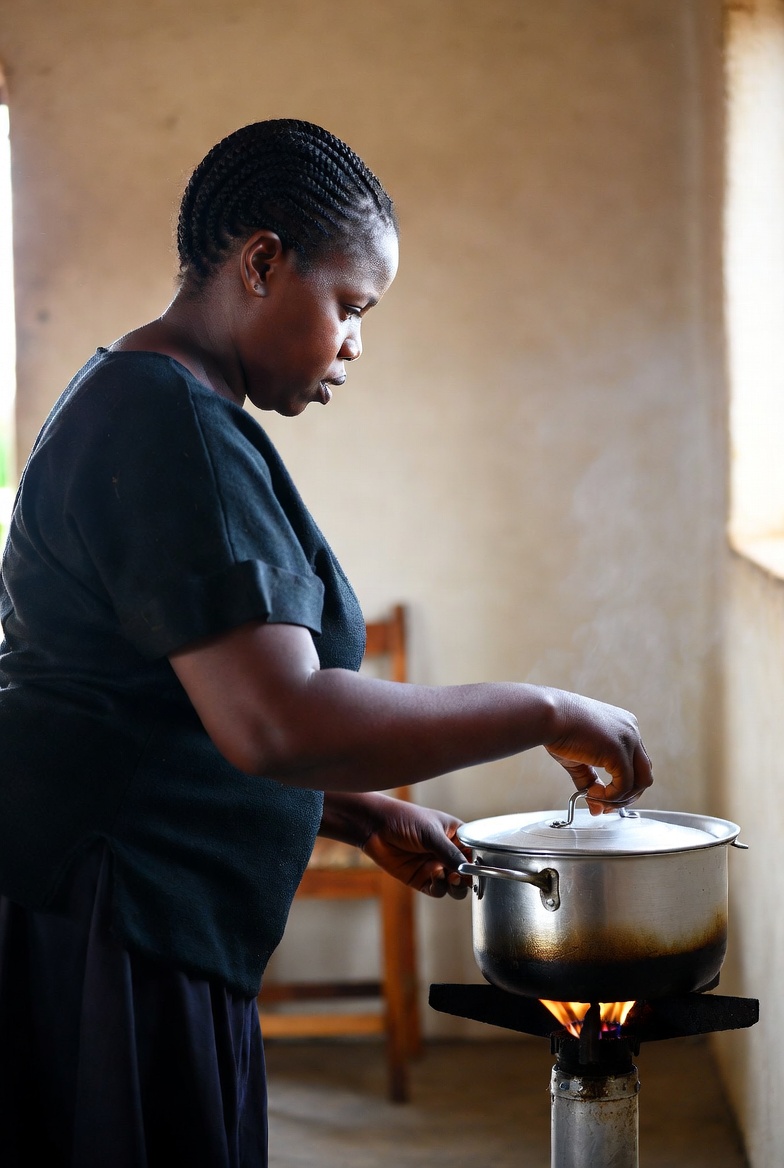
Replace wood and charcoal with clean biogas cooking - cutting the exposure pathway at source while producing fertiliser and optional power.

2

Sense

Low-cost air-quality sensing (PM2.5, CO, temperature, humidity) turns each deployment into a climate-informed risk signal.

3

Respond

A community-health-worker referral loop helps local health actors act sooner for households with respiratory vulnerability.

What is new about the Sources.Africa model?

The parts are known. The innovation is the integrated operating model that turns cleaner energy into a measurable health-response system.

Conventional biogas programmeSources.Africa model
Measures units installedMeasures exposure reduction and adoption
Focuses mainly on fuelConnects energy, air quality and health response
No clinical referral pathwayCommunity-health-worker and clinic workflow
Technical monitoring onlyTechnical, environmental and health indicators
Installation-focusedInstallation, maintenance, adoption and health action

First evidence pilot

Foumban pathway in preparation

Primary focus: household smoke exposure and earlier prevention, screening and referral for chronic respiratory vulnerability. Stations not installed yet.

Read the pilot synopsis

One station, seven crises addressed at once

Every Sources.Africa unit attacks seven African problems simultaneously - energy, agriculture, waste, air quality and municipal pressure included.

Energy dependency

Replace imported gas and LPG with biogas from local waste.

Deforestation

Each biogas household can ease pressure on fuelwood - site-specific estimates required.

Fertilizer crisis

Produce organic fertilizer from digestate - no imports needed.

Food insecurity

Healthier soil = more resilient harvests = more local food.

Waste management

Market refuse, household scraps, farm manure: no longer problems, now resources.

Clean air & respiratory response

Reduce smoke exposure, measure it, and turn risk signals into earlier action by local health actors.

Municipal costs

Less waste to landfill = lower city cleaning budgets.

→

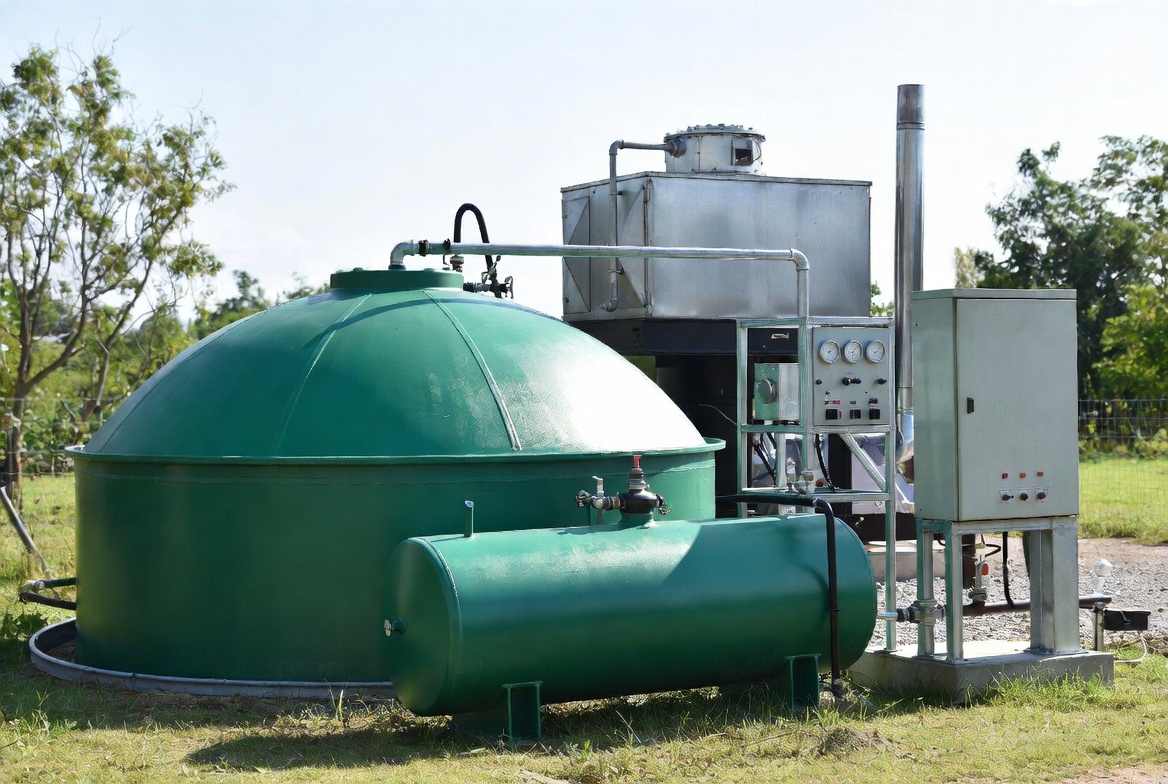
A single station links circular energy with cleaner air and local response.

How it works

Five flows. One piece of equipment.

1

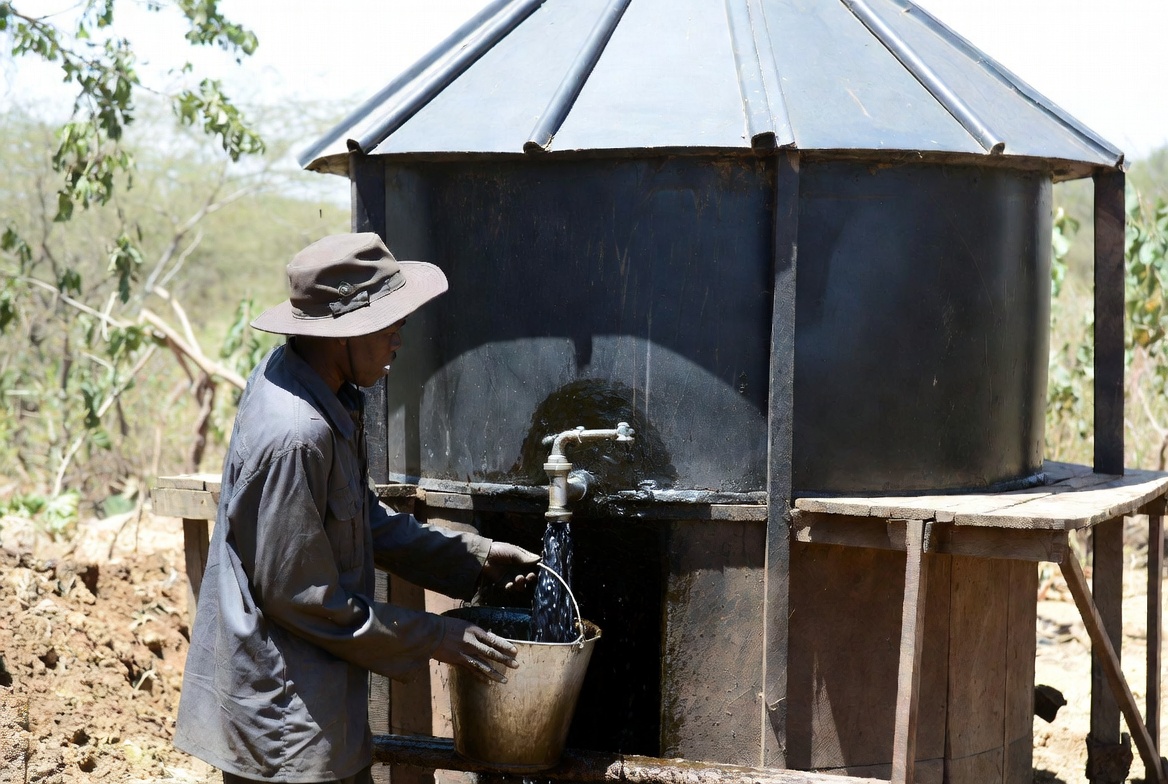
Waste in

Food scraps, manure, market waste.

2

Biogas out

Clean cooking fuel for the household - less indoor smoke.

3

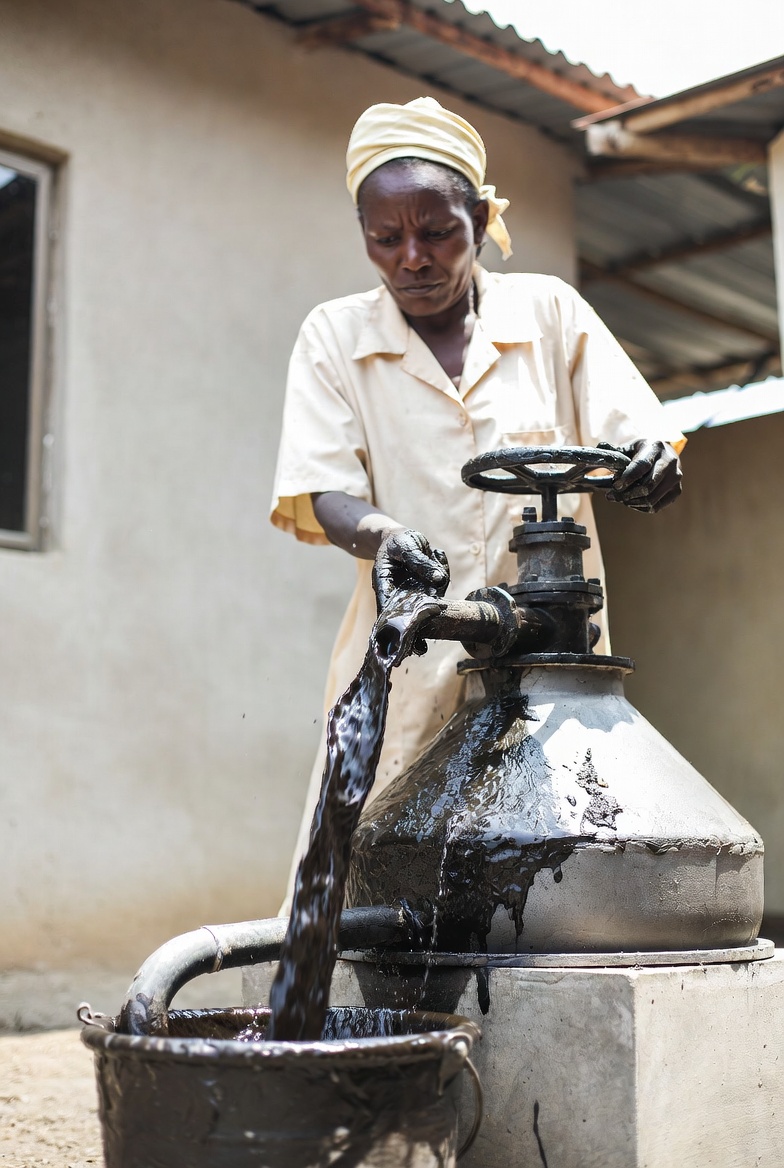
Slurry out

Liquid digestate collected from the low outlet.

4

Organic fertilizer

Sold to farmers or used on-site.

5

Electricity (optional)

A biogas generator converts gas into on-site power: lighting, pumps, small cold-chain.

Renewable energy beyond biogas

Biogas is live today. Solar, storage and hybrid mini-grids are on the roadmap ? labelled honestly as scale targets, not current products.

Technology available

Biogas & digestate

Technology available for clean cooking, fertilizer and optional generation - first Sources installs being prepared.

Future module

Solar PV

Daytime power for pumps, lighting and clinics ? planned as a co-module, not a claim of current installs.

Future module

Storage

Batteries and thermal options to bridge night demand and grid gaps ? design stage only.

Future module

Hybrid systems

Biogas + solar (+ storage) for resilient multi-source sites ? future deployments.

From signature to installation in less than 100 days

A firm contractual timeline for government partners - with an evidence-pilot entry route available first.

  1. J1

    Government signs the Letter of Intent (LOI)

  2. J20

    Framework agreement signed + site selection

  3. J45

    First industrial kits arrive

  4. J70

    Local teams trained and certified

  5. J90

    First 50 stations operational

What 1,000 stations could do for a country

Modelled annual figures per 1,000 units - labelled as scale targets, not measured pilot results.

3 000 - 5 000

t/yr

Bio-fertilizer produced

5 000 - 8 000

t/yr

Wood saved

12 000 - 16 000

tCO2e/yr

CO2 avoided

100 - 150

Local jobs created

4 000 - 6 000

Households with clean cooking

10 000 - 15 000

t/yr

Waste diverted from landfill

5 000 - 9 000

MWh/yr

Electricity generated

Latest insights

Research, field learning, fertiliser geopolitics, clean air.

Financing infrastructure in development

Making local infrastructure financeable

Sources.Africa is preparing its first clean-energy installations and a financing model for eligible homes and institutions. The proposed facility would connect capital to validated assets, with service or lease payments over time. Technical performance, affordability and repayment capacity must be demonstrated before scale-up.

Explore Sources Finance

Co-design the first evidence pilot with us

Health facilities, research partners, municipalities, communities and funders - a confidential conversation.

Contact the team →
Founding stage - assembling first government and health-research partnerships.Become a founding partner →