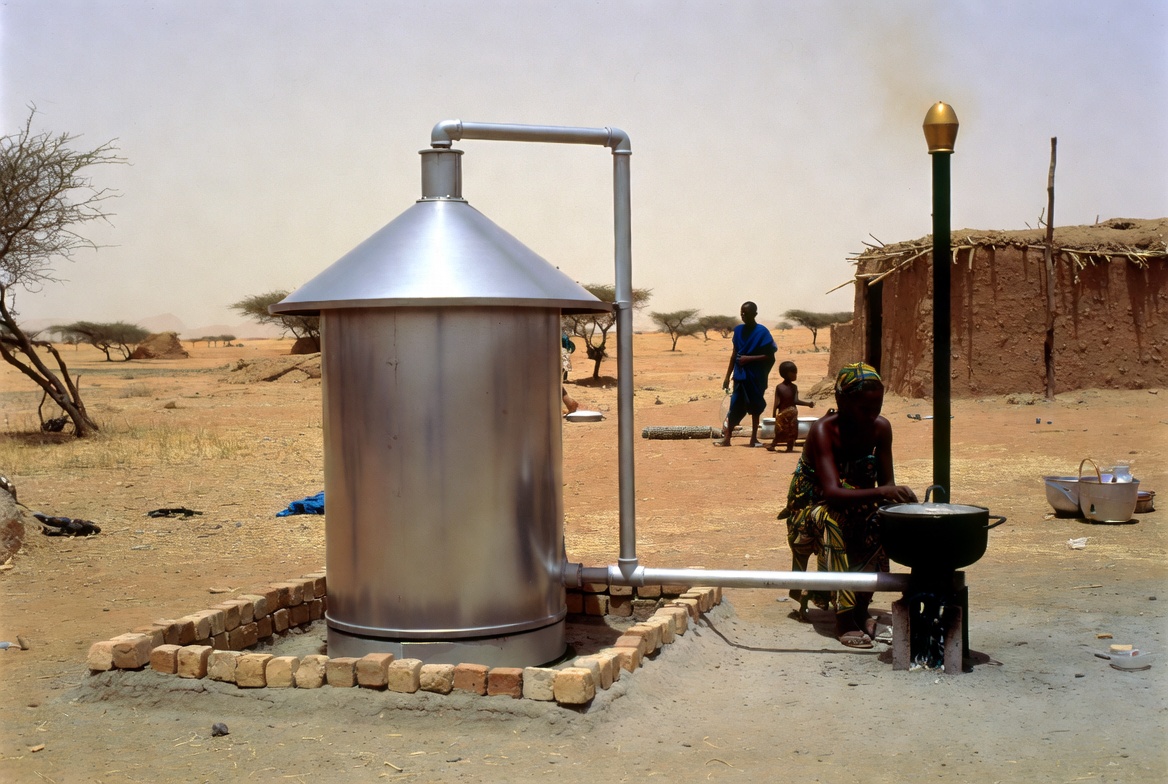
Proof of concept in preparation
First Evidence Pilot
A compact proof-of-concept design for Foumban, Cameroon. Sources.Africa is on the ground preparing first installs - physical stations are not running yet. This page is a protocol synopsis and partnership invitation.
Proposed location
Foumban (Cameroon) or another named health district after co-design - peri-urban and rural households with high wood/charcoal use and partner facility access.
Proposed participants (indicative)
About 50-100 households (subject to power calculations), one health facility, one community organisation, 4-8 community health workers, selected kitchens or waste points. Numbers will be refined after feasibility work.
Indicative duration
Preparation and baseline - installation - adoption - monitoring - endline. Expect a multi-month to 12-24 month evidence period; health outcomes are not claimed within 100 days.
Pilot question
Can a locally operated biogas and air-quality-response system meaningfully reduce household smoke exposure and improve timely preventive or referral action for respiratory-vulnerable residents?
Primary health problem
Poor household and community air quality leading to chronic respiratory vulnerability - with earlier identification, prevention, follow-up and referral. Not a treatment programme for sleep apnoea or any disease.
Preliminary design envelope
Working assumptions for partner discussion - not a frozen sample size.
Households
Target order of 50-100 intervention households using wood or charcoal, adjusted after power calculation and budget.
Health facility
At least one partner facility for referral acceptance and clinical grounding.
Community health workers
About 4-8 workers for visits, screening support and follow-up under facility supervision.
Infrastructure points
Selected household digesters plus optional community kitchen, farm or waste collection points.
Work packages (indicative)
Sequence before claiming results.
- 1
Co-design & ethics pathway
Partner roles, consent, safeguarding and protocol approval pathway.
- 2
Baseline
Exposure, fuel use, vulnerability screening and facility readiness.
- 3
Installation & training
First units installed with safety checks and operator training - only when partners are ready.
- 4
Adoption & monitoring
Uptime, fuel substitution, air-quality signals, CHW actions and referrals.
- 5
Endline & decision
Compare against success criteria; decide scale, modify or stop.
Draft success criteria
To be finalised with research and clinical partners.
- Reduction in measured PM2.5 and carbon monoxide exposure
- Consistent substitution of wood or charcoal
- System uptime and safe operation
- Household adoption and maintenance adherence
- Vulnerable residents screened
- Indicated referrals completed
- Change in respiratory symptoms or care delays (validated tools)
- Cost and maintenance feasibility
Decision after the pilot
Scale, modify target population or equipment, or stop if safety or adoption is inadequate. National 50+ station packages only after evidence justifies them.
Partner roles we seek
Named organisations appear only after genuine engagement.
Health facility / district team
Referral pathway and clinical grounding.
University / research partner
Study design, ethics and independent evaluation support.
Community organisation
Mobilisation, consent culture and grievance channels.
Technical & supply partners
Hardware, sensors, install crews and spare parts.
Municipality or ministry
Site facilitation and post-evidence scale pathway.
Stations are not installed yet
This is a first-evidence pilot synopsis and call for co-design partners - not a completed trial and not a guarantee of outcomes. Technology is available; Sources.Africa deployments are in preparation.