Biogas circular stations
Technology availableAnaerobic digestion for clean cooking gas, digestate fertilizer and optional generator power. This is the operational core of Sources.Africa today.
Available now ? see Models and How it works.
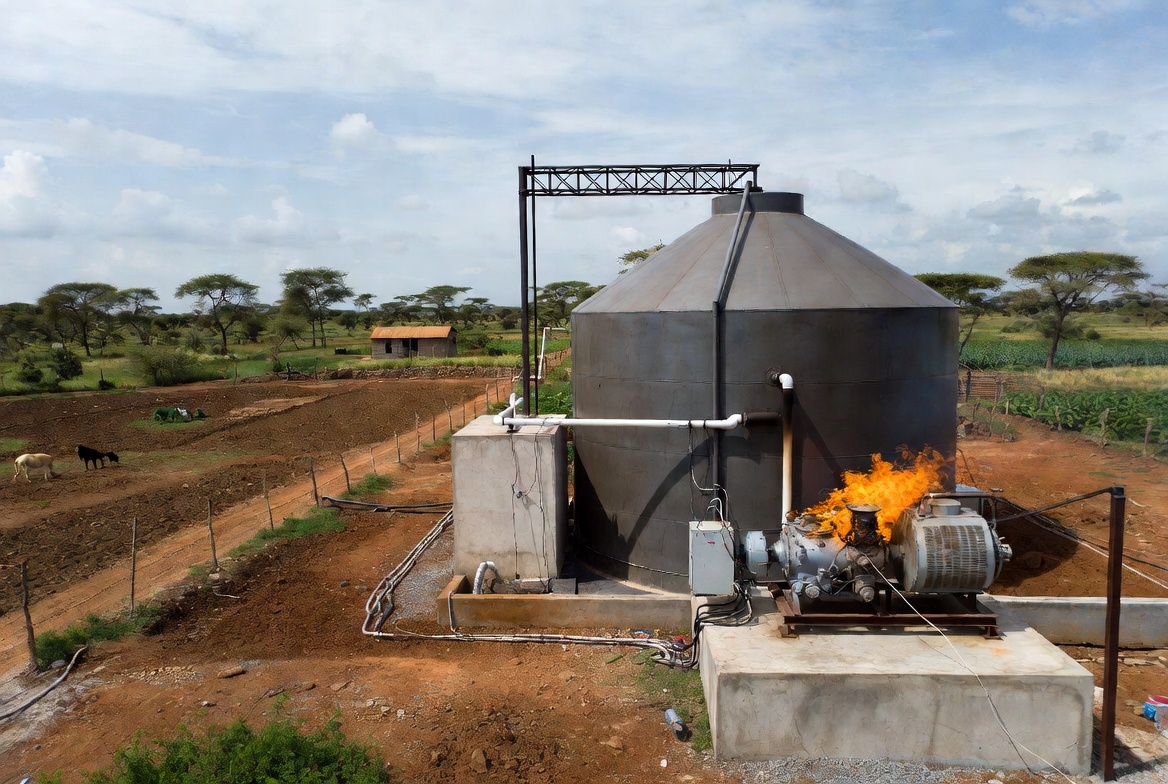
Sources.Africa starts with circular biogas infrastructure. We are preparing complementary renewables ? solar, storage and hybrid mini-grids ? so communities can stack clean energy without depending on a single technology.
Our core offer remains locally operated systems that turn organic waste into clean cooking energy, organic fertilizer and reliable power. Other renewables extend service continuity and climate resilience once partnerships and capital allow.
Everything below is labelled. Technology available = established biogas tech that can be procured. Deployments in preparation = first Sources.Africa installs not yet live. Future module = not pilot-ready yet.
Each module can stand alone later, or plug into a Sources site as a hybrid package.
Anaerobic digestion for clean cooking gas, digestate fertilizer and optional generator power. This is the operational core of Sources.Africa today.
Available now ? see Models and How it works.
Roof and ground PV for daytime electricity: water pumps, lighting, cold-chain assist and clinic loads. Sized to site irradiance and demand, with clear limits on what solar alone can cover after dark.
Roadmap module ? partner discussions and site kits planned.
Battery packs and, where relevant, thermal storage to shift solar and biogas generation into evening peaks. Safety, recycling and replacement cost are part of the design criteria.
Roadmap module ? engineering specs under preparation.
Combined control of digester gas and PV so a farm, school or clinic keeps essential services when the grid fails or fuel is scarce. Software and maintenance playbooks will matter as much as hardware.
Roadmap module ? pilot-ready designs after biogas evidence path matures.
Shared generation and distribution for clusters of households or public facilities. Requires regulation-ready metering, tariff design and local operator training.
Scale target ? after municipal and utility partnerships.
Where sites justify it: improved cookstoves as transition tools, small wind, or residual biomass pathways. We will only promote what we can maintain and measure.
Exploratory ? no product commitment yet.
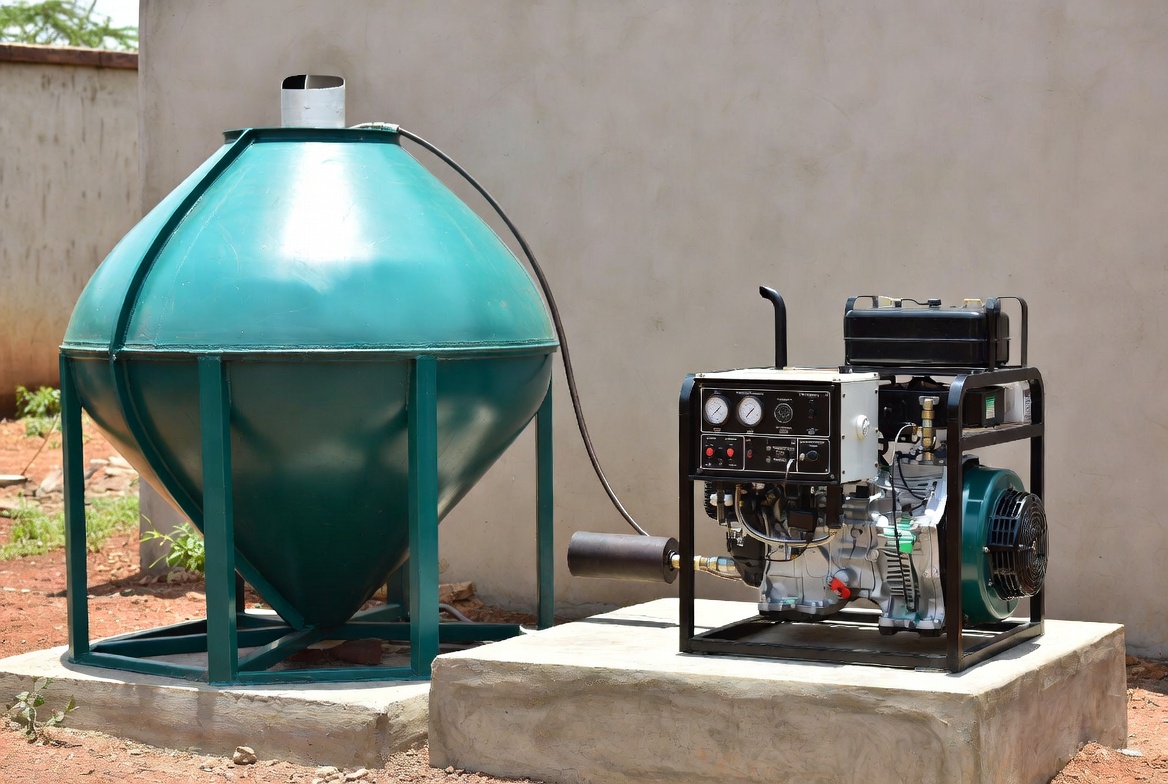
Climate and health outcomes improve when exposure falls and essential services stay online. Stacking technologies reduces the risk of promising more than one system can deliver.
Sequence matters. We deepen what exists before scaling what is only designed.
Phase 1 ? Prove the biogas + clean-air pathway
Evidence pilots, health-actor loops and honest measurement. This is the current priority.
Phase 2 ? Add solar and storage co-modules
Publish technical sheets, safety protocols and cost ranges. Pilot hybrid kits on a small number of sites with willing partners.
Phase 3 ? Mini-grid and municipal packages
Only after operator training, spare-parts logistics and data systems are real. Governments and utilities join through LOIs and procurement pathways.
Technology partners, utilities, municipalities and funders who want hybrid clean-energy systems ? start with biogas today, design solar and storage for the next wave.