How it works
Two systems in one deployment: circular biogas infrastructure, and a health-response pathway designed around cleaner air.
System A is the physical energy loop (available technology). System B is the health-response loop (first Sources.Africa deployments in preparation). Neither claims clinical cure.
A. Circular infrastructure flow
Organic waste becomes clean cooking gas, digestate fertilizer and optional on-site electricity.
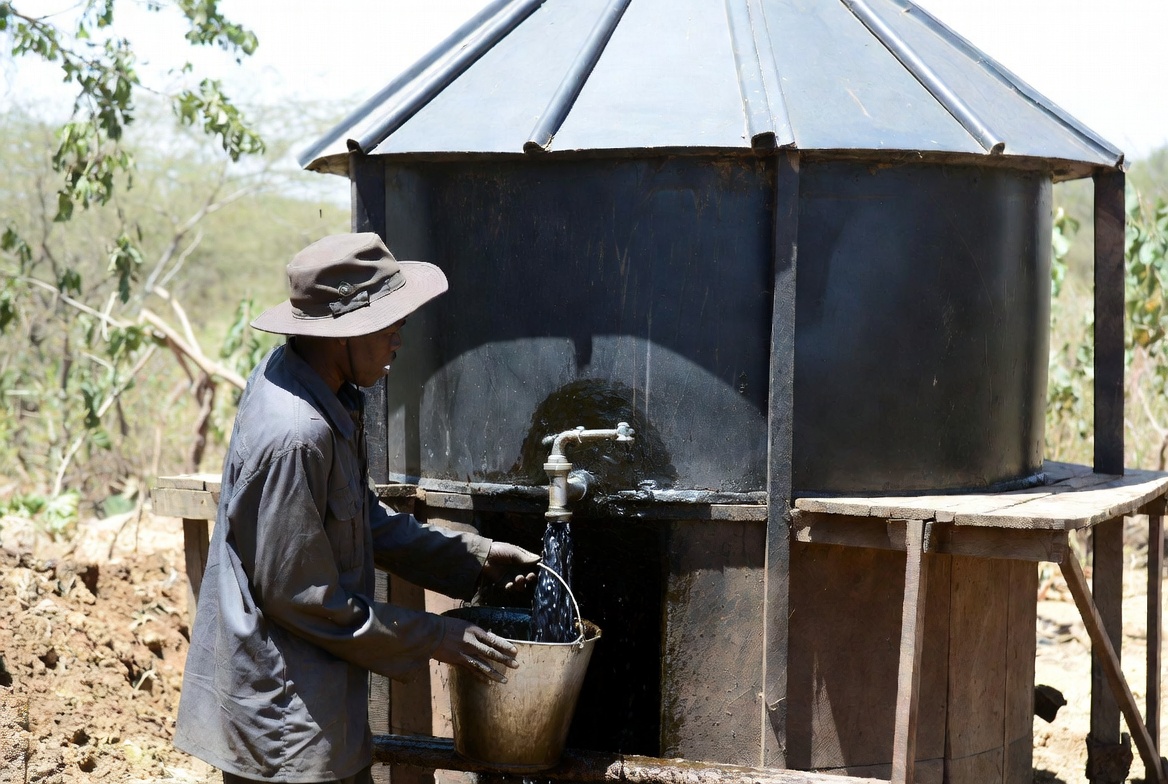
Waste in
Food scraps, manure, market waste.
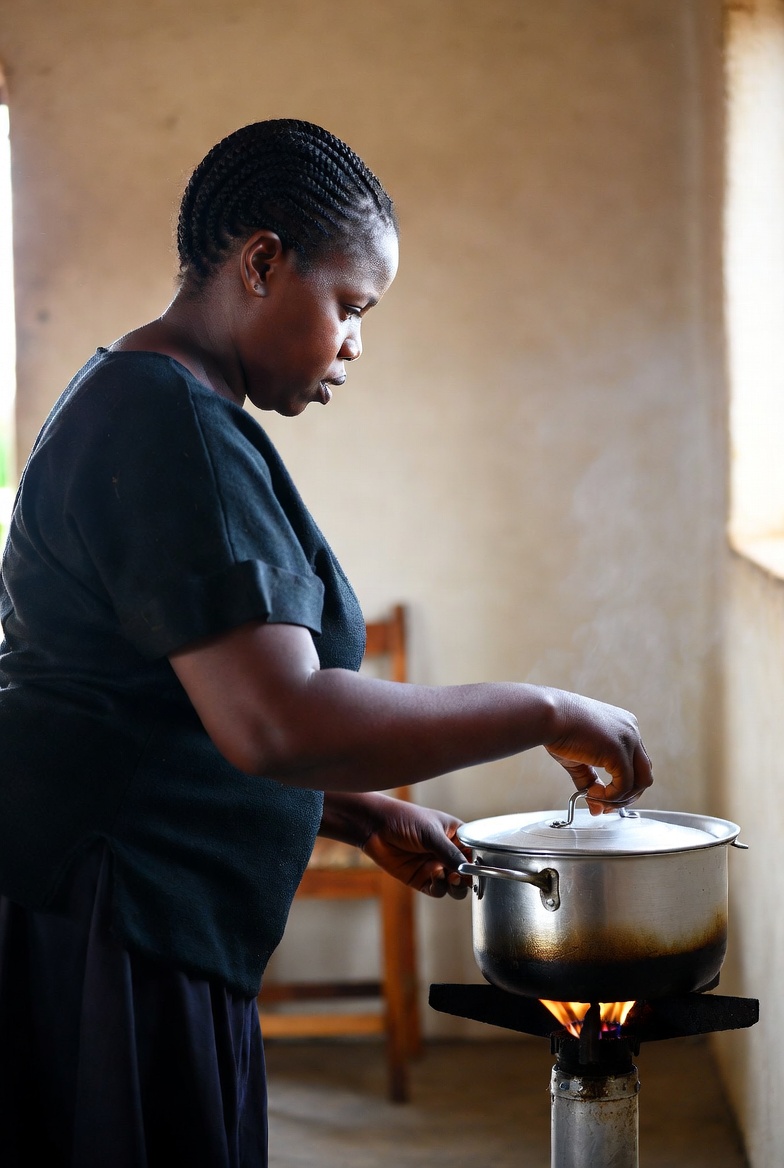
Biogas out
Clean cooking fuel for the household - less indoor smoke.
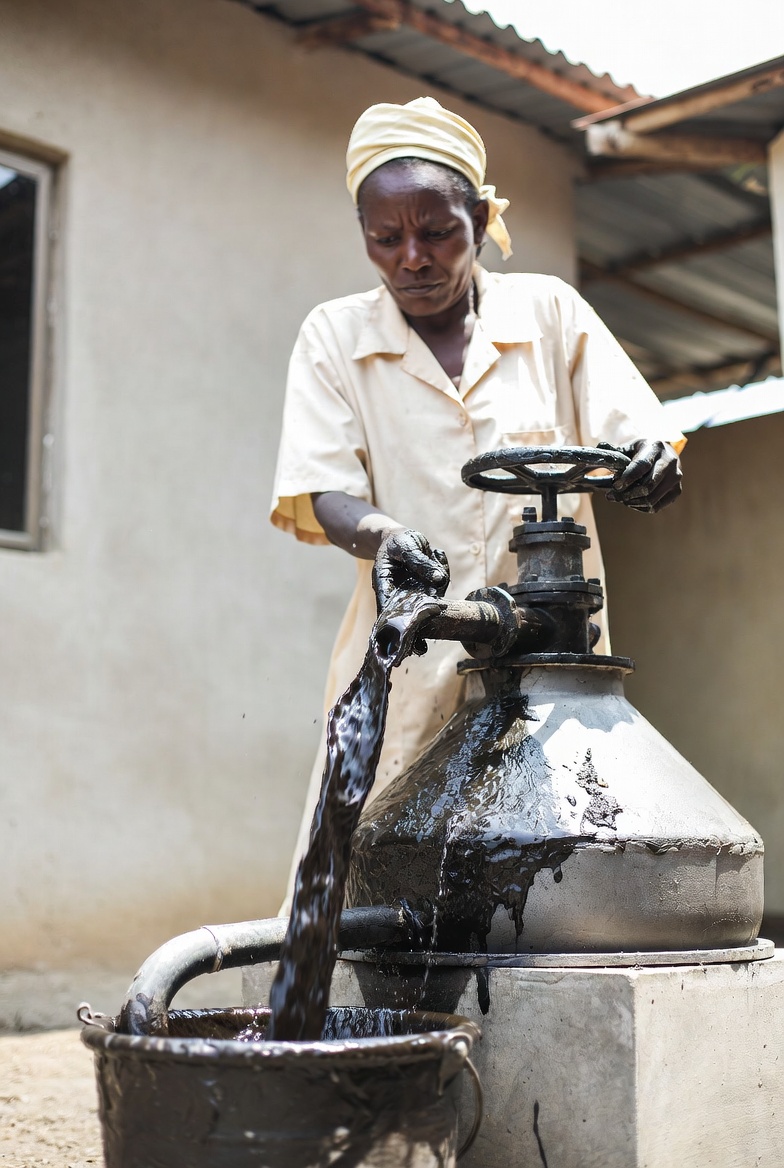
Slurry out
Liquid digestate collected from the low outlet.
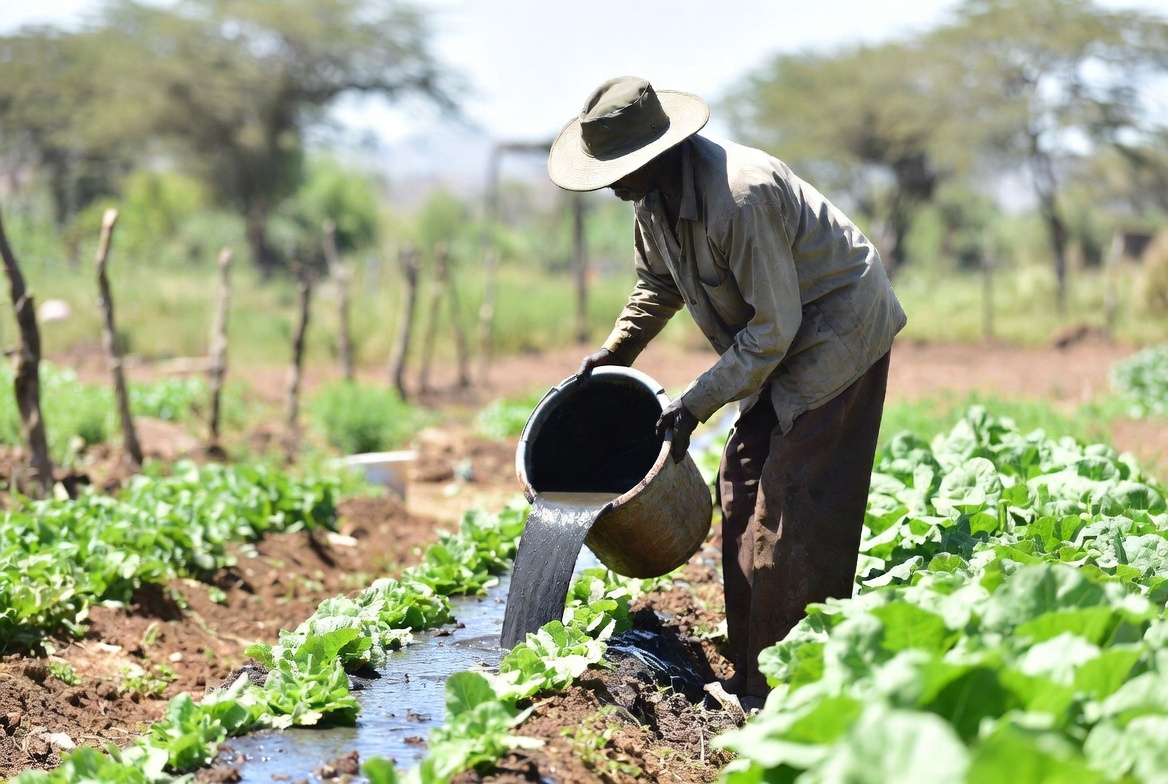
Organic fertilizer
Sold to farmers or used on-site.
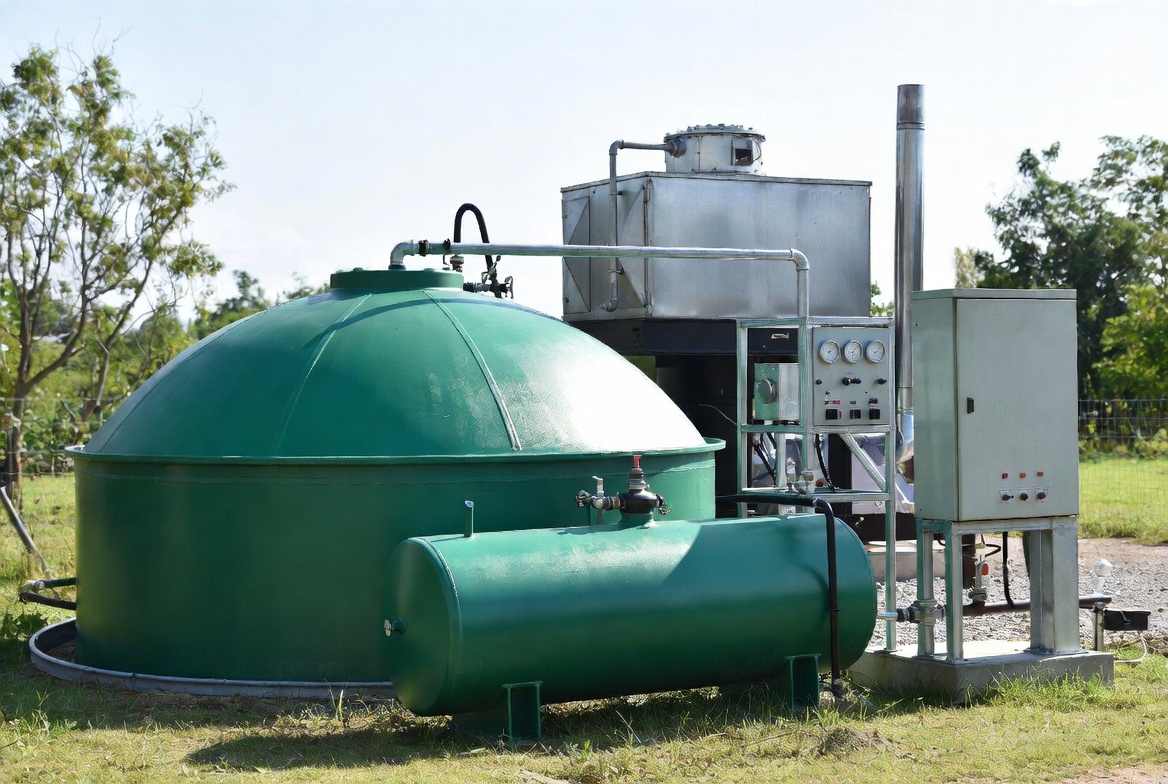
Electricity (optional)
A biogas generator converts gas into on-site power: lighting, pumps, small cold-chain.
B. Health-response flow
How a household moves from selection to follow-up. Thresholds and tools are finalised with clinical and research partners.
- 1
Household selection (wood/charcoal use and respiratory vulnerability criteria)
- 2
Baseline measurement (exposure, fuel use, symptoms questionnaire draft)
- 3
Installation and safety check of the digester (and optional sensors)
- 4
Air-quality monitoring (PM2.5, CO, temperature, humidity)
- 5
Risk identification against partner-approved protocols
- 6
Community-health-worker contact and household advice
- 7
Referral to partner health facility when indicated
- 8
Follow-up and maintenance support
- 9
Evaluation (exposure, adoption, action, early health indicators)
This is a design sequence for the first evidence pilot - not a claim that the full loop is already running at scale.
Operating realities
What users and operators must plan for - assumptions, not guaranteed performance.
- Feedstock: food scraps, manure or market waste within design rates for each model
- Daily operation: loading, basic inspection, safe gas handling
- Maintenance: scheduled checks; spare-parts access required for uptime
- Expected lifespan: depends on materials, climate and maintenance discipline
- Installation footprint and ventilation distances per safety protocol
- If feedstock is insufficient: gas output falls - hybrid or smaller loads may be needed
- If the system fails: isolate gas, ventilate, call technician, log incident
- Cooking-time claims (e.g. 1-2 h/day for 200 L) are design estimates under stated feedstock - site conditions vary